Science of Salmon.org


NOAA
Nov 13, 2025
Advancements in Artificial Intelligence forms such as computer vision, machine learning, and deep learning assist with processing data. The model was highly accurate at detecting pollock and salmon.
Advancements in Artificial Intelligence forms such as computer vision, machine learning, and deep learning assist with processing data. The model was highly accurate at detecting pollock and salmon.
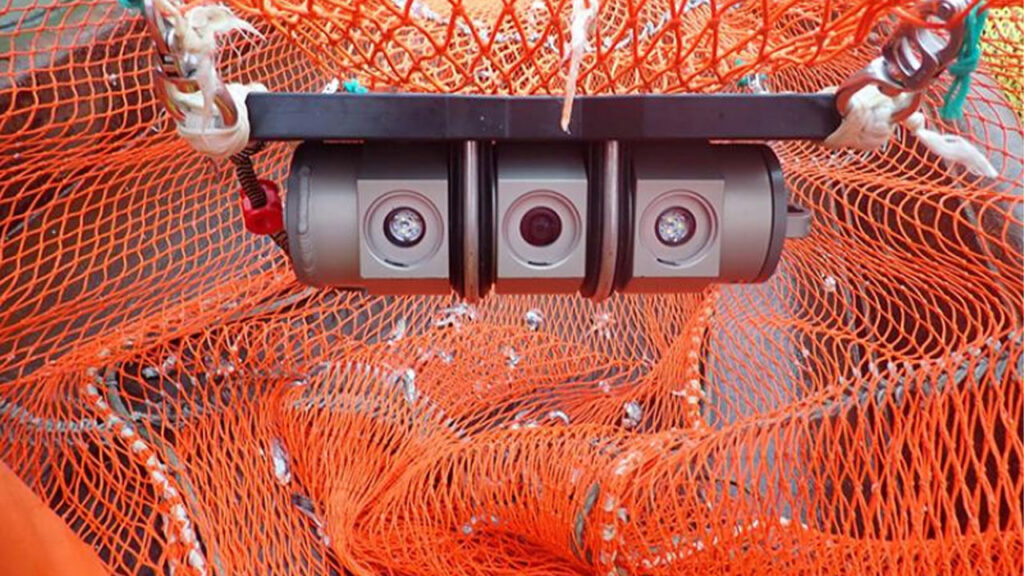
Scientists used a model to detect and classify fish in videos more quickly than humans. The detection model is called You Only Look Once, version 11 (or YOLOv11). It’s helping scientists evaluate the effectiveness of excluders that help salmon escape from fishing nets intended to catch pollock.
YOLOv11 is an object detection deep learning model for images. Scientists at the Alaska Fisheries Science Center customized it to detect and identify both pollock and salmon in fishing nets. This allows scientists to semi-automate the video review process used to evaluate the effectiveness of bycatch reduction devices. They can also observe fish behavior to improve the performance of these devices.